
It’s never been more important to focus on taking care of yourself. Maybe like me you are teaching or working from home. Hours of screen time and sitting too long can have negative health impacts. Here are the eight top self-care tips that I have tried and now use every day to reduce stress and boost mental health. Please test them yourself and let me know what you think.
- Keep a gratitude journal
Control your mind by focusing on two or three things you are grateful for each day and write them down. Keeping a gratitude journal can decrease tension and improve positivity. Anytime you are feeling down you can lift your spirits by reading your journal. The best schedule for me is to record one thing I’m grateful for each morning and two more before sleeping. What are you grateful for today? Gratitude Journal
- Switch it up
Switch occasionally between standing and sitting at your desk. If you can’t afford to buy an adjustable desk or desktop, you can just use some old books or a box to create your own effective stand-up desk. 21 Ways to Switch Up Your Remote Work Routine
- Take a break
I know this one can sometimes be challenging, but the experts say it is essential for good health. So, make sure to move around. A 3-to-5-minute break every 45 to 50 minutes can be enough. I usually stretch or walk around the room. It is a good idea to set a reminder on the online Pomodoro Timer (https://pomofocus.io/) or on your cellphone. How to take a break from work
- De-clutter
Your mother was right, clearing clutter not only helps organize space but also frees up room for fresh ideas. A neat and tidy study room helps me focus better and enjoy what I am doing. A good way to try out this technique is to start small and take a “before” and “after” photo to see the progress you have made. Why decluttering is important for self-care
- Stop multitasking
Some employers claim to want employees who excel at juggling several tasks at once. However, many time management experts actually advise against it. Studies demonstrate that multitasking can too easily take you out of the flow, making assignments a lot slower to complete. This might seem counterintuitive but there’s evidence that it is more efficient to focus on just one task at a time. Why multitasking isn’t good
- Get a good night’s sleep
Getting too little sleep can have multiple negative consequences like a loss of focus, mood swings, craving junk food, and an increased risk of getting sick. Recommended sleep hygiene strategies include staying away from electronic devices for at least an hour before bed, reducing your caffeine intake, and avoiding food for a few hours before sleeping. I usually read a book and write in my gratitude journal before putting out the light. Why sleep is essential for health
- Give yourself permission
It can often seem that if we take time for ourselves, other things will fall apart. Or we may even feel guilty. Still, experts say that taking time to relax is absolutely essential for productivity. Try twenty minutes of yoga, meditation, or a forest walk to help calm both the mind and the body. The Secret to self-care: Give yourself permission
- Develop a new hobby
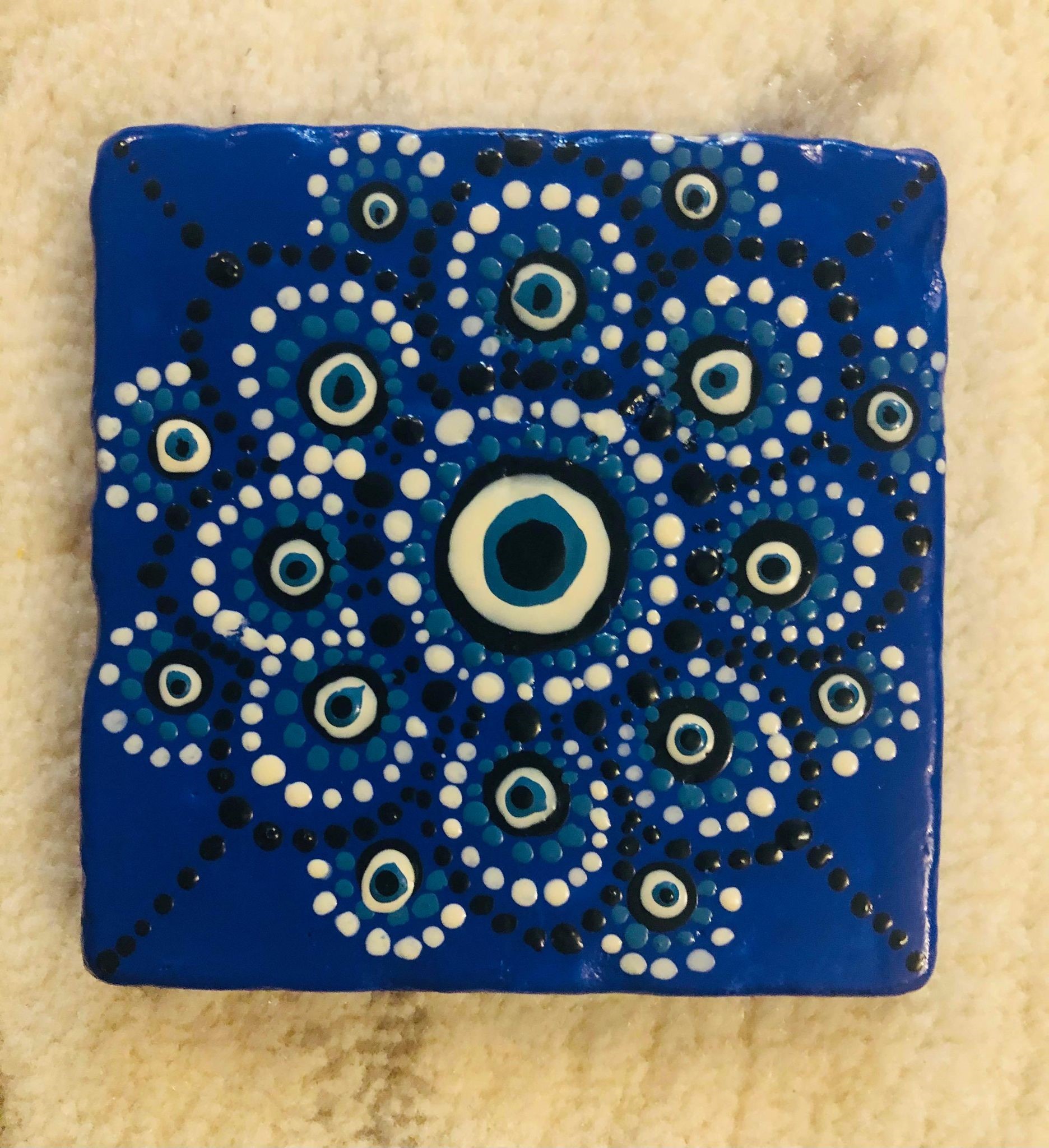
A hobby can help you stay positive and ward off depression during the lockdown. Everybody needs something positive to keep their mind occupied. I personally enjoy painting stones or knitting. Without those hobbies the pandemic would be a much darker place. These are tough times. Learning new skills or taking up a hobby are good ways to combat worries. Types of hobbies to try during lockdown
Those are my best tips for self-care, but what are yours? Please feel free to share with us in the comment box below. I’d love to hear your reaction.
12 Comments
Thank you so much for very useful article.I will definitely implement your suggestions to my daily life.Its very useful .
Thanks, Emel! I am glad you found them useful.
Gonul that’s a very insightful take on the topic. Thank you for the recommendations. Taking up a new hobby definitely helped me a lot to become a better version of myself during these hard times. I’m also very indulged in skin and hair care as a way to boost my personal growth.
Thanks very much, Merve!
I am very glad you found them insightful. Thanks for the input! By the way, skin and hair care sound very interesting. Good for you!
Excellent tips, Gonul! Great reminders.
Thank you, Elizabeth!
These are excellent tips, Gonul! During these challenging times, educators need to take time and take care of themselves, too!
Thank you for the brilliant ideas!
Hi Laureta,
Thank you very much for the nice feedback. I appreciate it! Unfortunately, the educators are so busy if they take time for themselves most of them feels guilty.
1 thru 8, all great ideas. Keeping up with my new hobby (home repair) and one old one (cycling) has certainly kept me active and sane. Thanks for the helpful and thought-provoking list.
Thanks, Alex! Glad you found them helpful.
Great suggestions Gonul! Even for every day use, they are very beneficial and healthy ideas. And especially during a pandemic, we all should adopt something in our life that would keep us in balanced and healthy conditions both psychologically and physically.
I, personally have been trying to make some time for music in my life. Although, it is really hard especially with kids being around whole day, I love to spend time on working on some recording, playing music with my Turkish reed flute, “Ney”. It has been really helping me refreshing my mind, especially when sitting in front of screen, going through meetings the whole day.
And learning a new skill is another thing seems to be making my life less stressful and using time wisely during lockdown on something I wanted for long time.
Thank you so much again Gonul for these great ideas!
Hello Gunay,
Sorry for the late reply! I did reply back but for some reason, my reply is not here:) Anyway, thanks very much for taking the time to read my blog post. I love the sound of “Ney”. I truly believe music is one of the keys to relaxing.
Thanks again!