
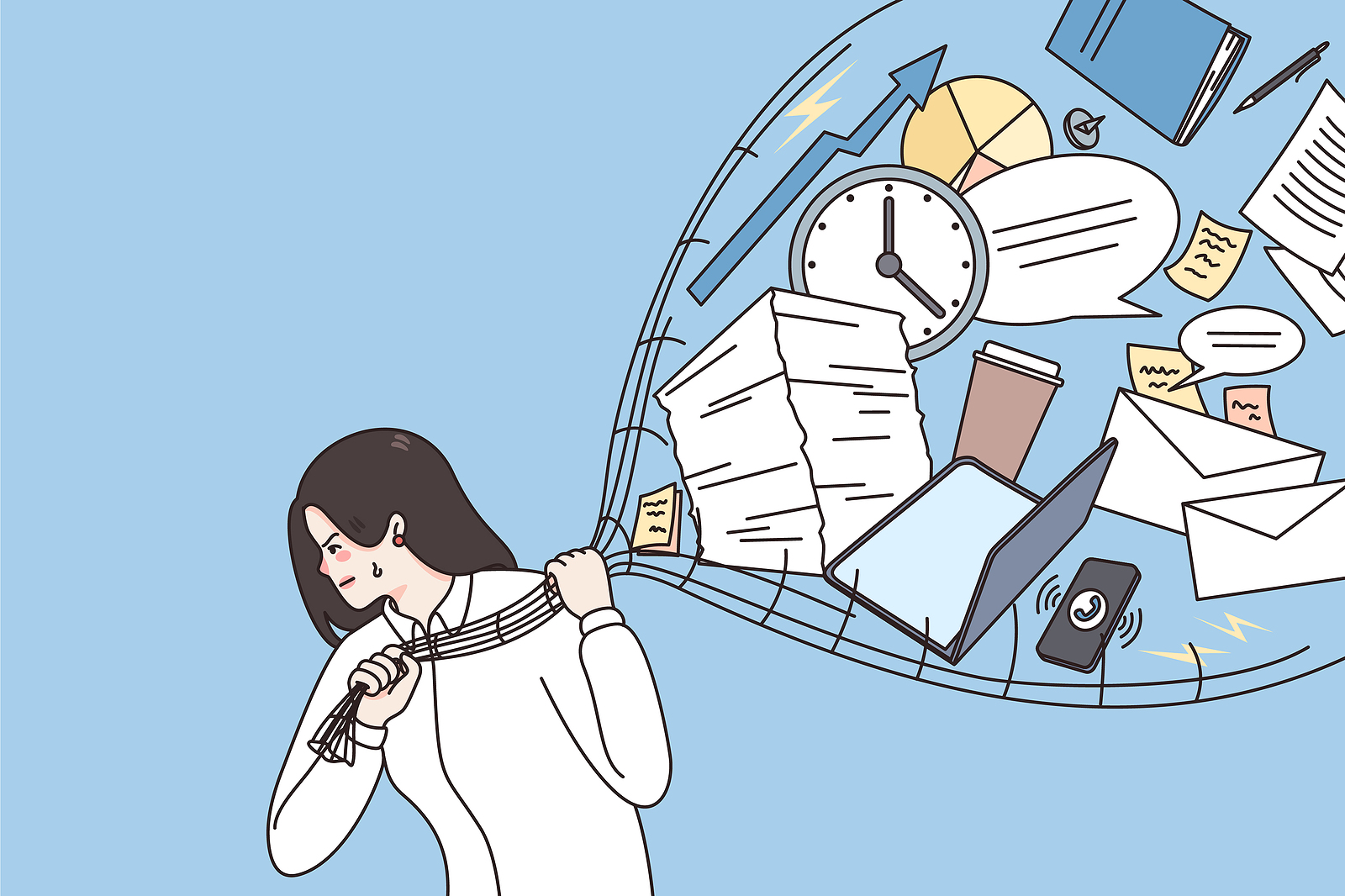
For me, burn out is feeling exhausted and dreading the coming day. I feel it in my body. Time slows down. I slow down. Like a lit match, I burn out. I think to myself, “If only I could have a day off to recuperate, to focus on things other than work, that are important to me. Maybe I could do a bit of prep when there is less pressure.”
I work hard to prepare engaging lessons for my students, and while teaching, I offer them my support. However, when I am fatigued, I not as creative, flexible, and compassionate as I need to be. Sometimes the ups and downs of teaching, as well as the time required to do the work inside and outside the classroom, leaves me feeling drained, and to be honest, irritable. And, that is not a good way to show up for my students.
Happy teacher, happy students
The warning signs are there: exhaustion, compassion fatigue, and anxiety. So, how do I manage burnout? Well, the more experience I get teaching, the more I am able to handle what comes up and better prepare. I found that time-blocking works best for preparation and personal scheduling. But, finding a balance can be tricky.
I needed to re-claim my personal life outside of work: To make time for the people and things that really define who I am and make me feel whole. Or, at least, to do the things that I need to do which, like brushing your teeth—if you don’t do them, you don’t feel good. The more balanced my day or week is, the more re-charged and ready I feel to give to my students.
It’s important for me to pause and ask: What is important for me at this moment? Sometimes it’s a task: I need to find a video for my students. Sometimes it is just being: It’s important for me to take a couple of breaths, check in with my body, and slow down to rest and reset.
Sometimes I struggle with confidence in my teaching, and that has been very draining. It has required extra prep-time and preoccupies me, as I worry a lot about how things will turn out. With more experience, I have recognized worry for what it is. I check in with my mind and body and note it and say: Worry, worry. I remind myself that I won’t know how something will turn out until I try it in the classroom. Then, I take a deep breath and teach.
Sleeping in on the weekends has helped me recharge. So has doing yoga and stretching every morning, which has made me more limber, and left me feeling fewer aches and pains due to prolonged sitting and commuting. I make sure to stay connected to my family. Whether it is a gentle touch on the hand saying, “Hey, I’m here with you and I care,” or just chatting about the family dog, I try to stay in touch. We don’t necessarily talk about big topics. We make sure to laugh together and try to be optimistic. Eating home-cooked meals, exercising and being social, as well as having an animal connection, has helped me stay healthy and balanced. I make sure to cuddle with my dog and reach out to my friends to see how they are. In addition to my family, they are the only ones who know the other sides of me, which I also try to tap into, and this helps me feel whole, recharged, and ready to teach.
I try not to bring negativity into the classroom. I always try to be positive, which helps to make my students feel comfortable and willing to learn. Of course, I follow the news—for my students; for myself. I found it important to keep informed and feel a part of our shared humanity. I care that others are going through strife and suffering.
I read a little bit; I meditate a little bit. For pleasure, I watch Netflix, listen to Audible, and classical music. I feel a bit guilty about doing things for pleasure, which I am addressing with a therapist, as I am of the productivity mindset. However, as the old saying goes: We are human beings, not doings. I also feel that it is important to bring back pleasure into learning, otherwise, my students get exhausted and grumpy. There’s enough frustration to go around, so we may as well enjoy ourselves. We decorate our classroom together, enjoy snacks, watch a cooking video, and exercise.
I took an art class over Coursera, and learned to draw, which is a new side of myself that I am exploring. The students benefited from an interesting sketch of a moose recently, as I was trying to explain the difference between a mouse and a moose.
It just makes me a happier and more positive teacher. I am curious what other teachers do to recharge and what more employers could do to help prevent burnout.

1 Comment
Dear Svjetlana,
I really connected with your TESL Ontario blog post. I have been an OCELT teaching literacy classes for 13 years, and I’ve also been a yoga instructor for just as long. Recently, I became a yoga therapist. Balancing two professional roles—each with its own prep time and PD requirements—along with my responsibilities at home (I have two dogs, which I love) can be a lot, and I know firsthand what burnout feels like.
Reading your blog made me realize that I’m not alone in experiencing this. That alone was comforting. It also made me think that perhaps I could bring together my two areas of training, to support fellow ESL teachers.
Warm regards,
Maki Kajiura